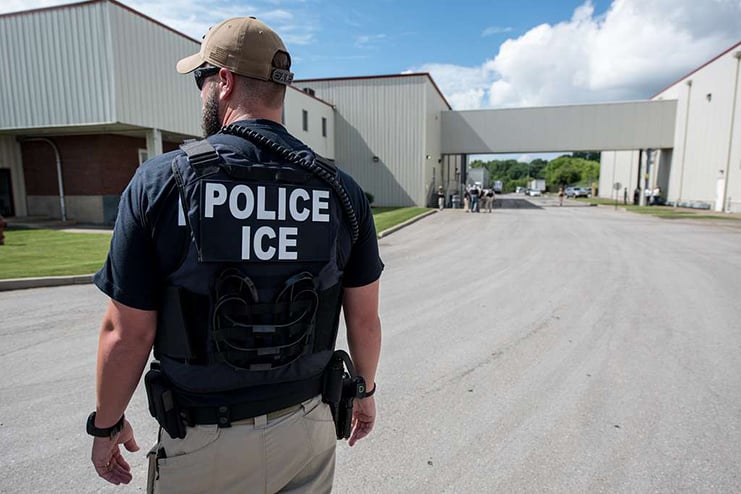
As the Trump administration enters its second year, border encounters have plummeted to historic lows, criminal illegal aliens are being removed in record numbers, and self-deportations are accelerating. Yet one critical front remains underexploited: the workplaces that actively recruit and employ millions of illegal aliens.
Immigration enforcement advocates have long argued that true immigration enforcement requires going after one of the most powerful magnets—jobs. White House border czar Tom Homan has been explicit: More worksite enforcement operations are coming, and the administration is preparing to expand raids, I-9 audits, and penalties against employers who knowingly hire unauthorized workers.
For decades, lax enforcement at the border was compounded by even weaker accountability inside the country. Businesses in construction, agriculture, meatpacking, hospitality, and manufacturing have relied on a steady supply of cheap, illegal labor. This created a vicious cycle. Porous borders encouraged more illegal crossings, while job opportunities pulled migrants deeper into the interior. The result was not just lawbreaking on a massive scale but wage suppression for American workers, strained public services, and eroding respect for the rule of law.
Estimates suggest millions of unauthorized workers fill roles across key sectors. In construction alone, illegal labor has become embedded, driving down wages for citizens and legal residents competing for the same positions. Similar patterns appear in the food processing and service industries.
The second Trump term is working to change that dynamic. Since January 2025, ICE’s Homeland Security Investigations (HSI) has ramped up worksite enforcement, conducting multiple targeted operations and I-9 inspections across the country. In one early update, the agency reported arresting more than 1,000 unauthorized workers at worksites and proposing nearly $1 million in fines against employers since Trump’s inauguration in January 2025. Operations have targeted construction sites in Florida and Alabama, meatpacking plants, retail outlets, and smaller businesses.
Predictably, critics warn of economic disruption, claiming certain industries “depend” on illegal labor and that raids will cause labor shortages, higher prices, and business closures. This argument collapses under scrutiny. First, it concedes the premise: many employers have deliberately built business models around violating immigration law. Second, it ignores the displacement effect on American workers. Native-born and legal immigrant workers have seen their opportunities shrink in sectors flooded with illegal hires. Enforcement that removes illegal labor creates opportunities for citizens, particularly in construction, where unemployment among less educated males remains a concern.
The path to a successful workplace enforcement strategy is not a mystery. Prioritizing employers with patterns of violations—those who use fake documents, ignore red flags, or operate in blatant disregard of the law—sends the clearest message. Civil fines, criminal prosecutions for egregious cases, and exclusion from federal contracts will change employer behavior. Pairing this with E-Verify mandates for more industries would prevent abuse without relying solely on raids.
Recent history proves enforcement works when applied consistently. The sharp drop in border encounters under current policies—reversing years of record highs—shows that deterrence is effective. Extending that logic to worksites would build on this momentum.
Groups like the Mass Deportation Coalition—which includes my organization, the Federation for American Immigration Reform—rightly emphasize that border security alone is insufficient. Without interior enforcement targeting demand, the system remains vulnerable to future surges.
As worksite operations expand this year, expect the usual emotion-based media narratives focused on isolated hardships or temporary dislocations. These stories deserve context: every illegal worker removed or deterred represents one less strain on schools, hospitals, and housing in overwhelmed communities. It represents restored opportunities for citizen workers who have been sidelined by unfair competition, as well as for students struggling in overcrowded classrooms. And it reinforces that immigration policy exists to serve the national interest, not to subsidize lawbreaking enterprises.
President Trump campaigned on restoring sovereignty and putting Americans first. Expanding workplace enforcement fulfills that promise. Those urging aggressive action against these illegal hiring practices are not extremists. They are realists who understand that enforcement without accountability is cheap political theater.
When financial attractions for illegals are removed, workplace raids will be less necessary because many will self-deport or opt not to make the journey here altogether. The path to a robust, properly functioning country with more opportunities for citizens and legal residents is clear. The question is whether the American people and our leaders have the foresight to choose the proper course
Leave a Reply