When I was a young man, I watched my father—still recovering from a heart attack and sporting a new metal hip—stand knee-deep in freezing water, digging a massive trench with nothing but an old wooden shovel. The land was alive with builders and excavators who were hired to do the heavy lifting, yet there he was, hands raw and bleeding, sweat soaking his torn clothes, breath coming in sporadic gasps. He could have stepped aside, let others bear the burden, but his resolve was unshakable. That trench was part of a project he had set his heart on—a nature reserve and an educational center for impoverished children. Every shovelful of sodden earth was an act of devotion, not only to his vision, but to the community itself.
I didn’t understand at the time, but my father wanted to give something lasting—to put his strength into the common good, so that future generations might one day walk the ground he shaped with his own bare, calloused hands. Inspired by my father’s commitment to the land, I began seeking similar meaning in a tiny patch of earth.
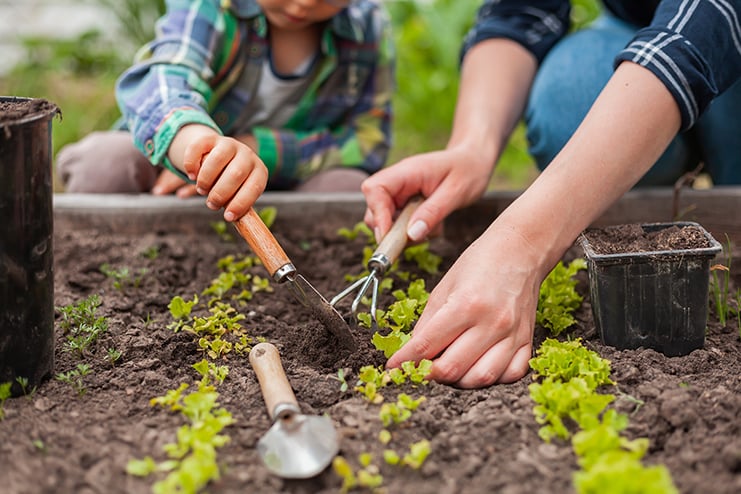
I was thinking of this recently, reflecting on what it means to invest oneself in a particular place. In my own life, I’ve discovered great joy tending to a small garden on the terrace of my city apartment. It’s a modest space, but for me, it embodies what Kentucky farmer and essayist Wendell Berry describes as “placedness”—the deep satisfaction and rootedness that comes from stewardship and caring for a small piece of land. A small garden is not a hobby; it is a way to create a placed life. Tending to my balcony garden, I realized that participating in the ancient regenerative contract between humans and land doesn’t require a hundred acres—a sense of belonging is measured not by size, but by attention and care. This led me to consider what it truly means to be placed.
Spring is upon us, a time of rebirth and awakening. As I tend to my own miniature kingdom, I am reminded of Christina Rossetti’s words in her poem “Spring”: “There is no time like Spring, When life’s alive in everything…” In these lines, I find an echo of the renewal I witness each day as the early morning sun shines on my patio—the sense that, in caring for a few boxes of herbs, I become part of a larger cycle of growth and belonging.
The early morning garden is a sacred space, where the first light acts as a call to prayer. To step onto the cold patio floor while the dew is still heavy is to engage in an act of familiarity. There is something transcendent about the simple ritual of unzipping the plastic greenhouse or checking a flower in bloom. It’s an unsightly thing—about six feet high and, if I’m honest, it looks more like a giant Porta Potty than the elegant glass greenhouses you see watching Downton Abbey. Yet, despite its ungainly looks, stepping inside always feels like entering a secret world—humid, green, and full of possibility. The dirt beneath my fingernails isn’t mud; it’s a profound harmony with nature and a deep attachment to the earth.
When space is limited to a few square yards and a handful of plastic pots, the relationship between gardener and earth shifts from management to intimacy. For me, gardening is less about technical skills than it is about nurturing a part of the local community.
Industrial agriculture caters to instant gratification and a relentless demand for high yields and quick returns. When food becomes divorced from farming and the land, consumers suffer from what Berry calls a form of cultural amnesia, blissfully unaware of where their food comes from. For the last few years, I have befriended a local farmer who supplies me with tomato seedlings. I learned when to “de-pot” them for stronger roots, how to remove excess leaves to encourage ripening, and how much water they need.
A handful of compost and a bag of seeds inspire patience and wonder. “I have great faith in a seed,” Thoreau wrote in his journal. “Convince me that you have a seed there, and I am prepared to expect wonders.” Each time I open my greenhouse, I am overwhelmed by anticipation and excitement, knowing I played a part in creating it. When I find chives sprouting or a tomato bursting into life on a vine, I feel like Isak, the stoic protagonist in Knut Hamsun’s 1917 novel Growth of the Soil, as he conquers the land to build his farm, Sellanraa.
Grounded by these reflections, I see how my father’s actions—and my own—are part of a larger tradition of care and connection.
When Voltaire said we must cultivate our garden, he wasn’t referring to farming but to a focus on what is local, manageable, and productive. By tending a small plot, we retreat from the deafening noise of the modern global world and find meaning and purpose in the small and local. We cannot fix the world’s wars, but we can ensure that our few square inches of soil are nurtured, balanced, and blooming.
In the end, both grand gestures and small acts of care weave us into the fabric of our communities, teaching us that placedness is as much about love as it is about geography.
Leave a Reply