Christopher Nolan’s long, woke adaptation of “The Odyssey” discards Homer’s timeless messages about the nature of courage and hubris, duty and ambition, fate and resignation, heroism and triumph.

Christopher Nolan’s long, woke adaptation of “The Odyssey” discards Homer’s timeless messages about the nature of courage and hubris, duty and ambition, fate and resignation, heroism and triumph.
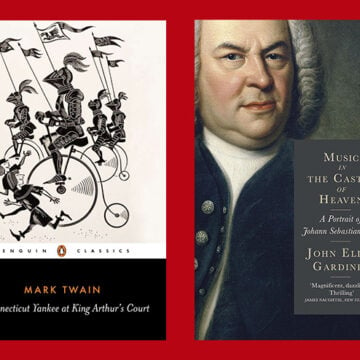
Short reviews of 'A Connecticut Yankee in King Arthur’s Court' by Mark Twain, and 'Bach: Music in the Castle of Heaven' by Sir John Eliot Gardiner.

In ‘Against the Machine,’ Paul Kingsnorth explores the malign evolution of modernity amid technological change.
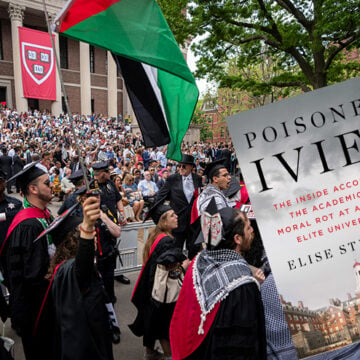
In ‘Poisoned Ivies,’ Elise Stefanik delivers a searing indictment of academia and recalls the congressional hearing that made her famous.
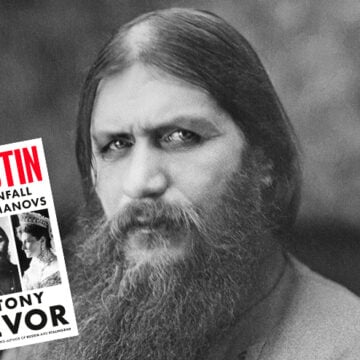
In 'Rasputin,' Antony Beevor tells the tale of the eccentric cleric who led Tsar Nicholas II’s empire to ruin.
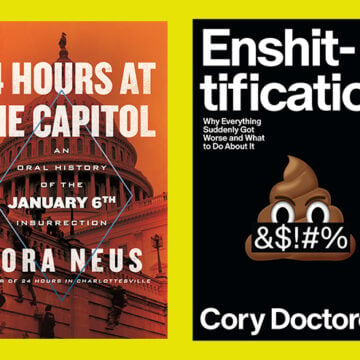
Short reviews of ’24 Hours at the Capitol’ by Nora Neus, and ‘Enshittification’ by Cory Doctorow.

Steven Spielberg’s ‘Disclosure Day’ draws out the consequences of man learning that he is not alone in the universe.
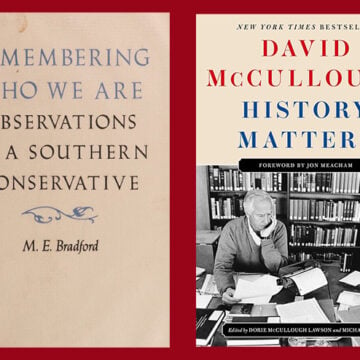
Short reviews of 'Remembering Who We Are' by M. E. Bradford, and 'History Matters' by David McCullough.
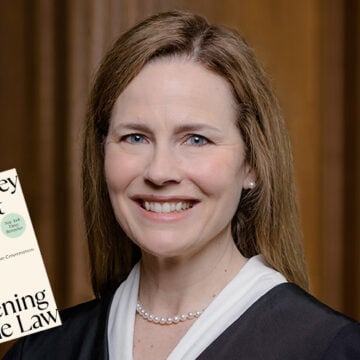
Justice Barrett's 'Listening to the Law' reads as though it were written by a well-intentioned jurist who fails to understand the monstrosity that the high court has become.
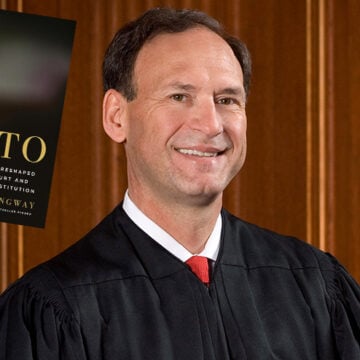
In ‘Alito,’ Mollie Hemingway describes the formation and explains the thought of Middle America’s voice on the high court: Justice Samuel Alito.

In 'Inevitable Differences,' John Staddon celebrates the kind of diversity that leftists cannot tolerate.
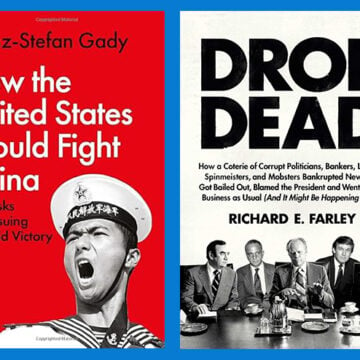
Short reviews of 'How the United States Would Fight China' by Franz-Stefan Gady, and 'Drop Dead' by Richard E. Farley.
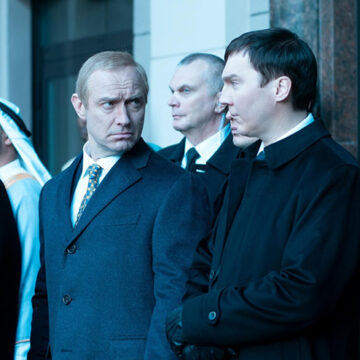
Olivier Assayas's 'The Wizard of the Kremlin' is less 'Red Dawn' and more red yawn.
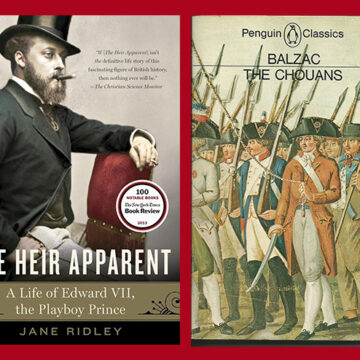
Short reviews of 'The Heir Apparent' by Jane Ridley, and 'The Chouans' by Honoré de Balzac.
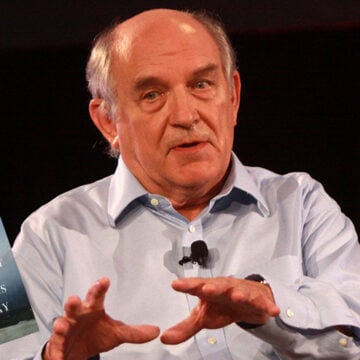
In 'Taking Religion Seriously, Charles Murray leads the reader along his fascinating, intellectual journey toward God.
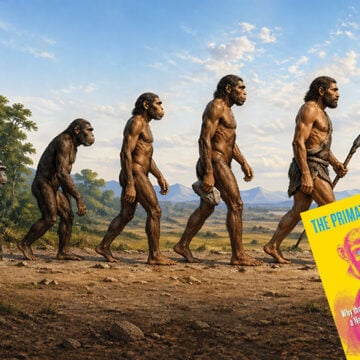
In 'The Primate Myth,' Jonathan Leaf reaffirms the distinction between the animal called man and all other animals.
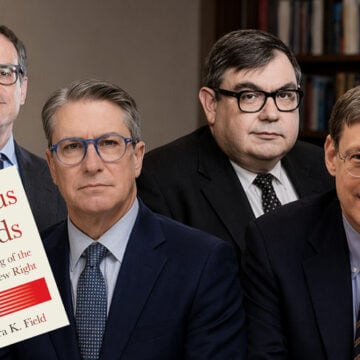
Laura Field‘s 'Furious Minds' explains more about the left's hatred of the New Right than the paleoconservative ideas undergirding that movement.
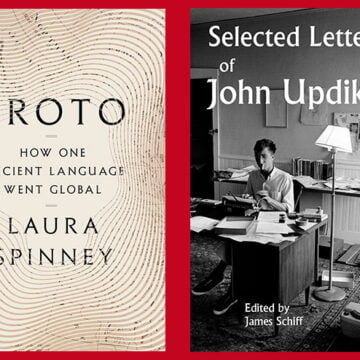
Short reviews of 'Proto: How One Ancient Language Went Global' by Laura Spinney and 'Selected Letters of John Updike,' edited by James Schiff.

'Project Hail Mary' explores the depths of space and human nature in a universally appealing manner.
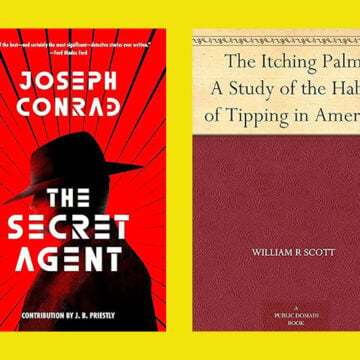
Short reviews of ‘The Secret Agent' by Joseph Conrad, and 'The Itching Palm’ by William R. Scott.
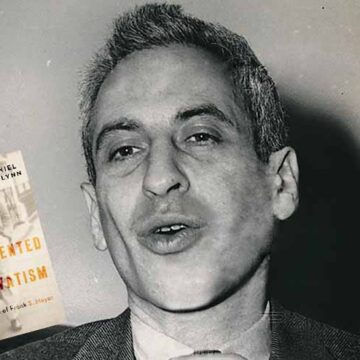
Daniel J. Flynn argues that Frank Meyer brought a lot more to the conservative table than musings about "fusionism." Meyer built the movement's infrastructure.
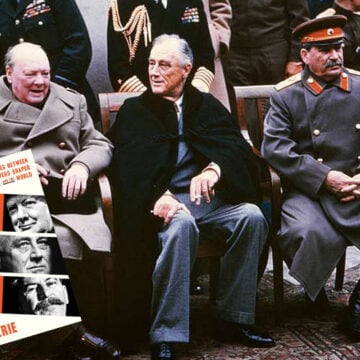
"Allies at War" explores the fraught relationships between the U.S., Russia, Britain, and France during World War II.

In Breakneck, Dan Wang explains how the 'engineer mind' moves quickly in building the dystopian hellscape that is China.
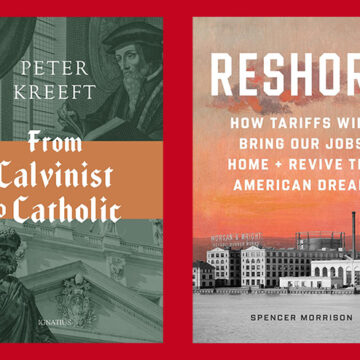
Short reviews of ‘From Calvinist to Catholic' by Peter Kreeft, and 'Reshore’ by Spencer Morrison.
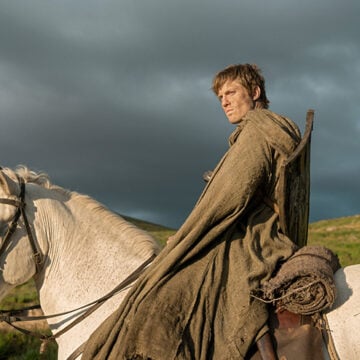
George R. R. Martin's 'A Knight of the Seven Kingdoms' brings back many of the admirable attributes of old-school fantasy fiction.
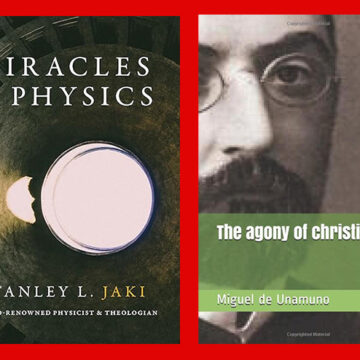
Short reviews of ‘Miracles & Physics' by Stanley Jaki, and 'The Agony of Christianity’ by Miguel de Unamuno.
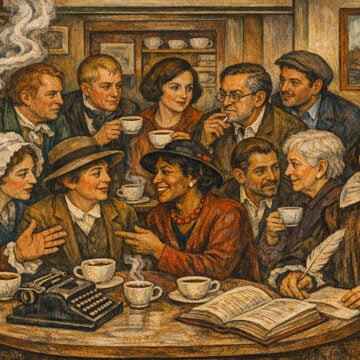
Christopher J. Scalia locates the permanent things in '13 Novels Conservatives Will Love (but Probably Haven’t Read).'
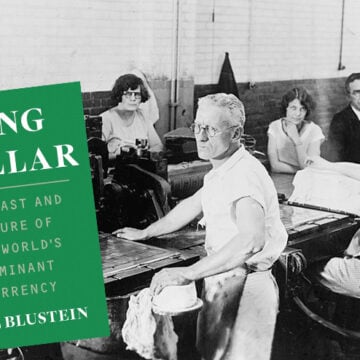
Paul Blustein, in 'King Dollar,' argues that the US dollar will remain the global reserve currency as confidence in America will not be supplanted.
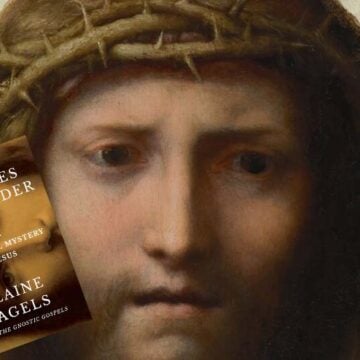
In 'Miracles and Wonder,' Elaine Pagels fashions a God without miracles or wonder.
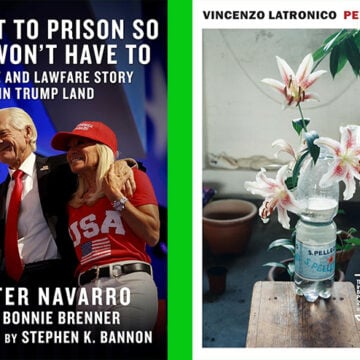
Short reviews of 'I Went to Prison So You Wouldn’t Have To: A Love and Lawfare Story in Trumpland' by Peter Navarro, and 'Perfection' by Vincenzo Latronico.

'Melania' reveals an active and supportive first lady who cares deeply about her family and America.
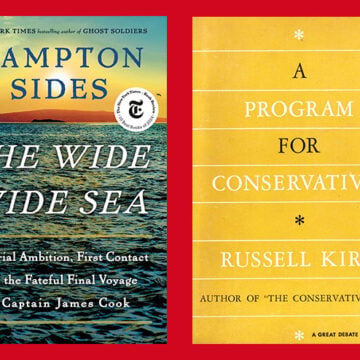
Short reviews of 'The Wide, Wide Sea' by Hampton Sides, and 'A Program for Conservatives' by Russell Kirk.
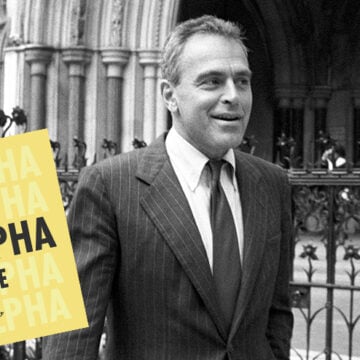
Taki’s new memoir holds nothing back. Like the man himself, The Last Alpha Male is interesting, witty, knowledgeable, high-spirited, and just plain fun.
Stephen Macedo and Frances Lee examine the myopia of the expert class that imposed the COVID regime and caused Middle America to lose faith in media, tech giants, politicians, and lab coats.
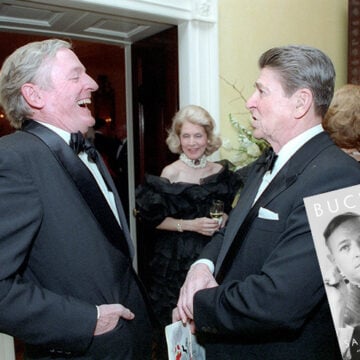
Sam Tanenhaus's mammoth biography of Bill Buckley reveals new stories, but it doesn't locate the core of the man's conservatism or where he wanted the movement to go.
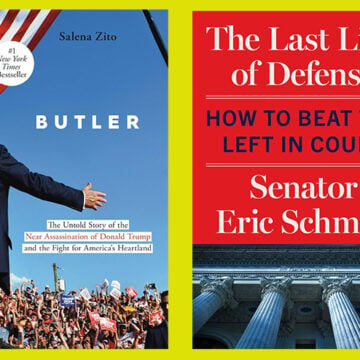
Short reviews of 'Butler: The Untold Story of the Near Assassination of Donald Trump and the Fight for America’s Heartland,' by Salena Zito, and 'The Last Line of Defense: How to Beat the Left in Court,' by Eric Schmitt.

In Song Sung Blue, Hollywood distorts an authentic narrative of the struggles of American working-class life into an unrealistic fantasy about stardom and celebrity.
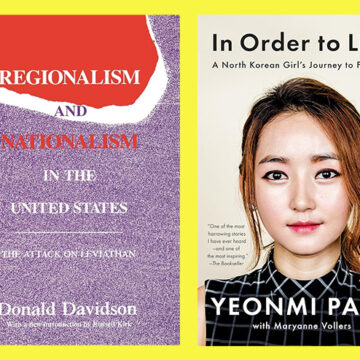
Short reviews of 'The Attack on Leviathan' by Donald Davidson, and 'In Order to Live' by Yeonmi Park.
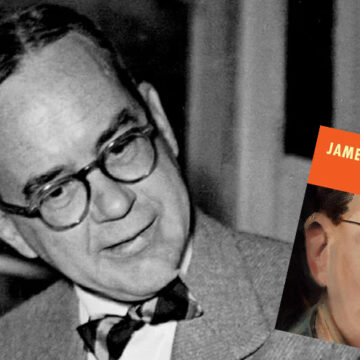
James Burnham remains relevant, as David T. Byrne explains in his new biography, due to his dual prophecy of democracy's triumph and its inevitable hijacking by elites.
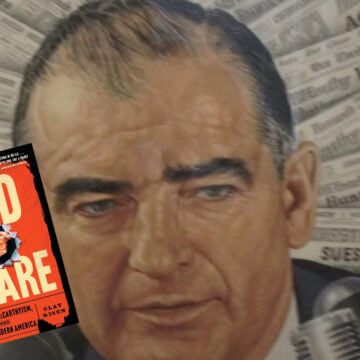
Yet another bad book on McCarthyism picks up on most of the old liberal narrative but overlays it with today’s culture war.
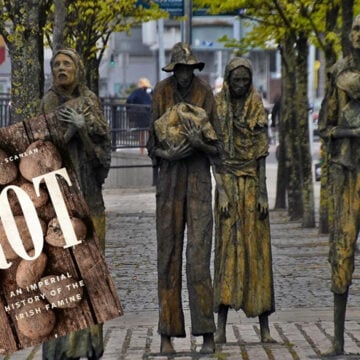
A new history of the Irish Potato Famine shows how emerging modern political theories conflicted with traditional Irish culture to deepen this crisis.
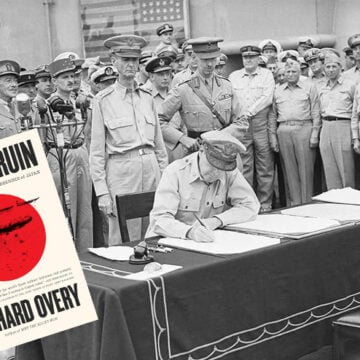
A short review of 'Rain of Ruin: Tokyo, Hiroshima, and the Surrender of Japan' by Richard Overy.
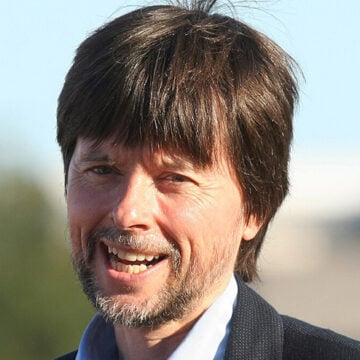
Ken Burns, in his 'The American Revolution' docuseries, displays the symptoms of the woke mind virus like never before.
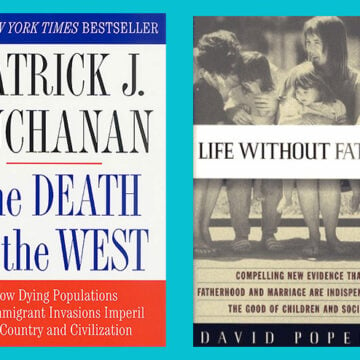
When Patrick Buchanan’s 2000 Reform Party presidential campaign ended in failure, National Review mocked the end of a “glorious career.” Not so fast. A new phase of that career—that of a best-selling author—was just beginning. Two years later, Buchanan published his blockbuster The Death of the West, which sat atop of bestseller lists for months....
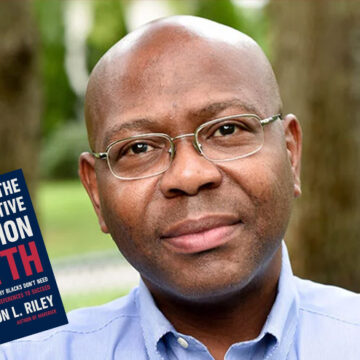
There are increasing signs that the era of white guilt and socially approved racism against whites is at an end. The publication of Jason Riley's 'The Affirmative Action Myth' is one such sign.

Despite being a political novice who reigned during the decline of monarchical power, Queen Victoria was a savvy operator who preserved royal influence by pitting Britain's political factions against each other.
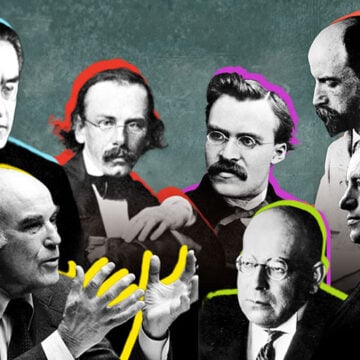
'Aristocratic Voices' explores the aristocratic side of conservative thought, through a variety of unconventional figures who defended traditional social elites and criticized democratic equality.
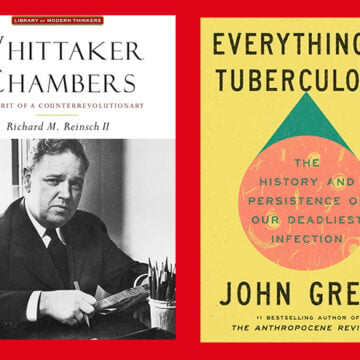
Short reviews of 'Whittaker Chambers: The Spirit of a Counterrevolutionary' and 'Everything Is Tuberculosis: The History and Persistence of Our Deadliest Infection'
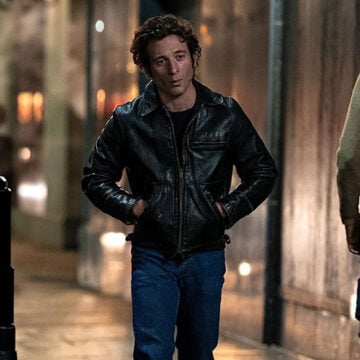
Hollywood's Springsteen biopic reveals a young Springsteen fixated on the shortcomings of his father. But it's the father and the American heartland values he represents who comes out looking better than the whiny singer.
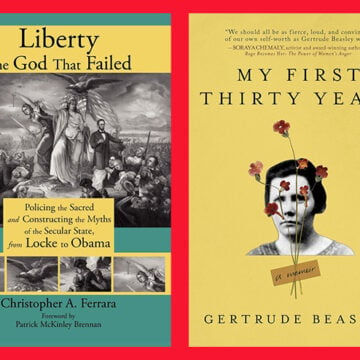
Revisiting older books, including 'Liberty the God That Failed,' by Christopher Ferrara, and 'My First Thirty Years' by Gertrude Beasley.