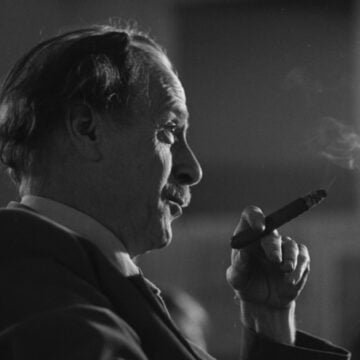
William Borah bucked the establishment line of both political parties and prefigured the contemporary populist MAGA movement.
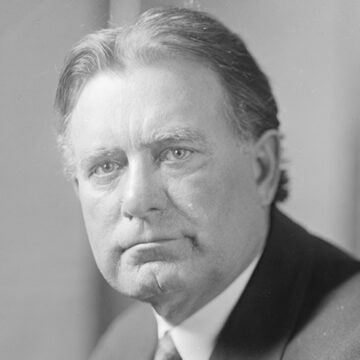
William Borah bucked the establishment line of both political parties and prefigured the contemporary populist MAGA movement.
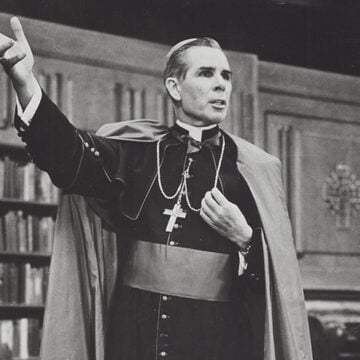
Bishop Fulton Sheen understood that Catholicism and Americanism go together, that to be a good Catholic, one must be a patriot.
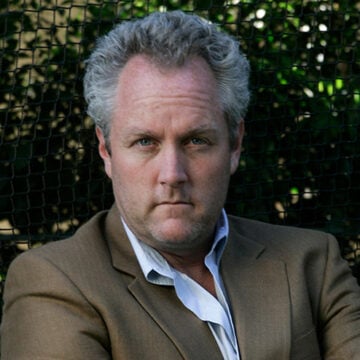
Andrew Breitbart was a patriot who set out to destroy the anti-American Democrat Media Complex by empowering citizen journalists.
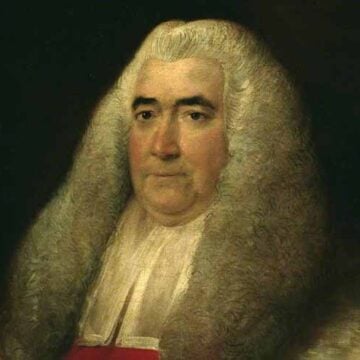
America's founders turned to Blackstone for definitions and elaboration of the protections to person and property they claimed against King George III.
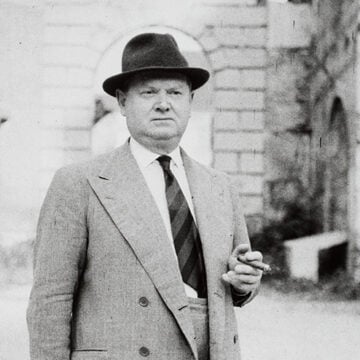
Evelyn Waugh defended social hierarchies and attacked socialism with the finest satire in the English-speaking world.
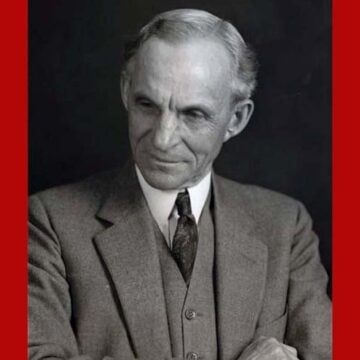
Henry Ford gave America its strongest source of order and stability—its middle class—which conservatives and right-wingers should appreciate.
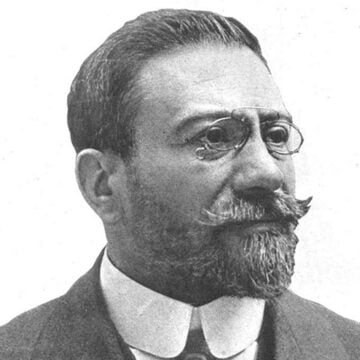
Juan Vázquez de Mella was a Spanish political theorist whose ideas balanced loyalty to the head of state with the autonomy of regional cultures. His ideas informed the nationalist side of the Spanish Civil War as well as the anarcho-capitalist theories of Murray Rothbard.
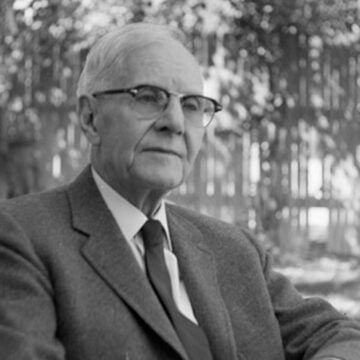
The poet John Crowe Ransom led the Southern Agrarians, a political movement that challenged the free-market orthodoxy that has destroyed traditional communities across the Western world.
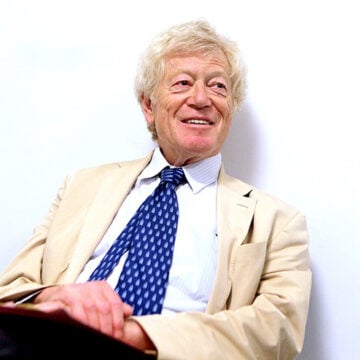
Roger Scruton championed the idea that conservatism in the Anglosphere is based on the values and institutions embodied by the English "gentleman": fair play, honesty, and mutual trust.
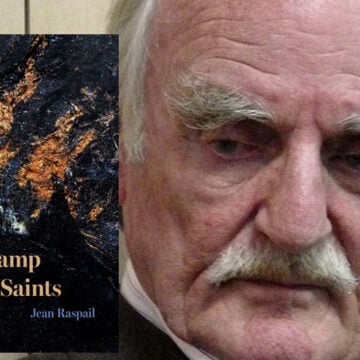
Jean Raspail's novels convey the insights and intuitions necessary to understand the reality of Western decline.
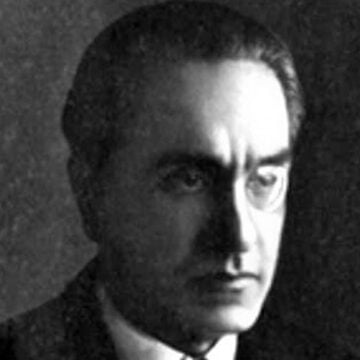
Julius Evola, the enigmatic self-styled traditionalist, criticized modern materialism more incisively than any other rightist thinker of the 20th century.
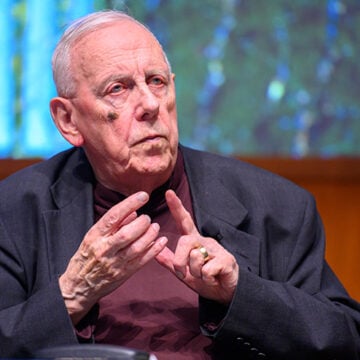
The late Alasdair MacIntyre equated justice with playing one’s assigned role in one’s community. This theme echoed in his major works.

Joseph de Maistre was a hardened realist, a counterrevolutionary, a Catholic, a defender of papal power, but most importantly, an illiberal theorist worth remembering.
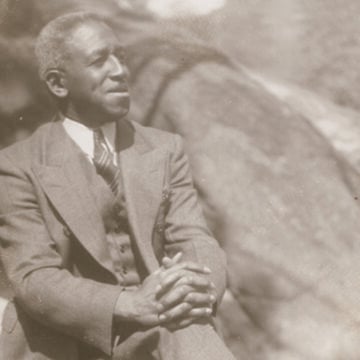
George S. Schuyler adeptly caricatured black racial romanticists and Marxists with wit equal to his mentor, H. L. Mencken.
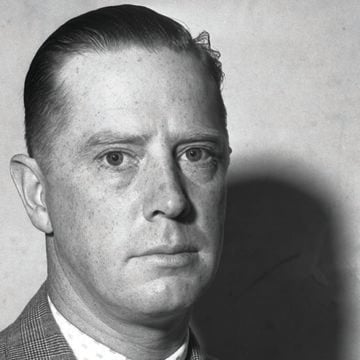
The conservative columnist Westbrook Pegler attacked the New Deal, big labor, and the civil rights movement. Though largely forgotten today, he set the standard for American right-wing commentary and still exerts influence over unwitting imitators.
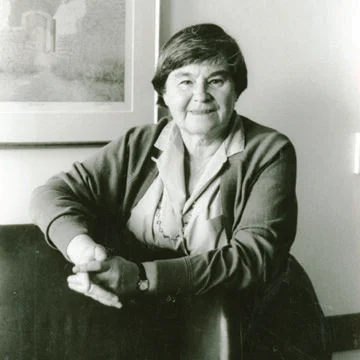
Eva Brann's lifelong quest to understand American history affirmed that there was something unique about the country worth preserving and perpetuating.
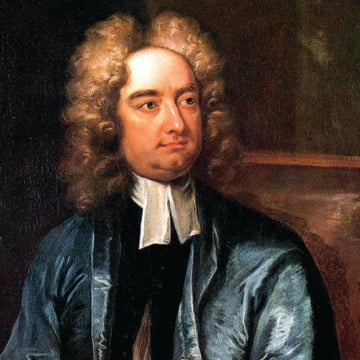
Jonathan Swift deployed satire in defending traditional order and dissecting the pretensions of his enemies.
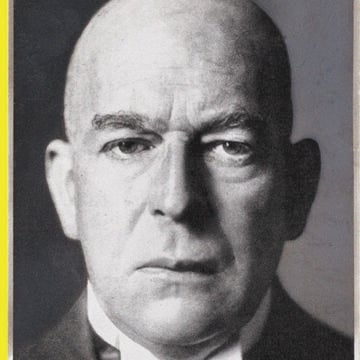
Oswald Spengler confronted the progressive theory of history with his own cyclical theory and diagnosed the causes of the West's decline.

Corrêa de Oliveira nursed a desire to restore the traditional Christian principles that have been the basis for the political and social order known as Christendom.
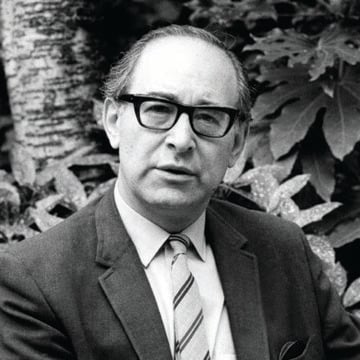
At the heart of Thomas Molnar's work was the problem of authority and how it might be sustained in a world where power had been shorn of its sacral dimension.
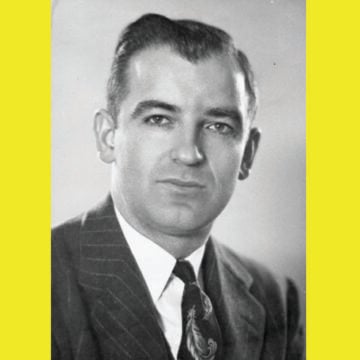
Joe McCarthy was perfectly justified in using his political position to pursue an investigation of Communist subversion. There was nothing sinister about fighting communism as an ideology or resisting Soviet imperialism.
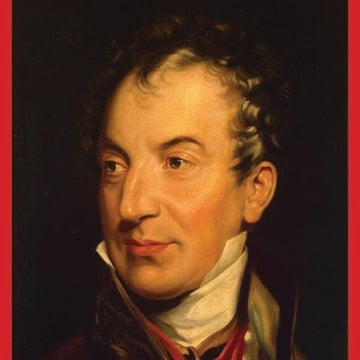
Metternich orchestrated a European balance of power, which ensured nearly a century of peace and flourishing, but he failed to deal with the forces of nationalism and liberalism.
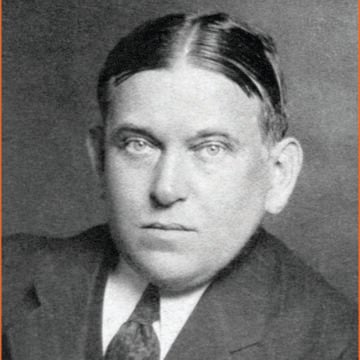
Critics have long considered H. L. Mencken to be impossible, meaning stubborn, difficult, exasperating. But today the appellation takes on a different meaning: His career and ideas simply would be impossible today.
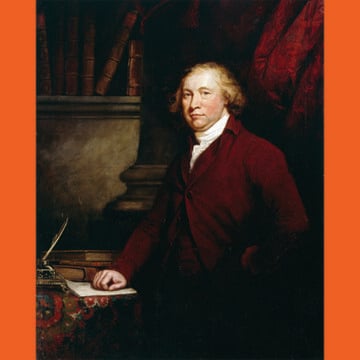
Edmund Burke warned that the state seeking to re-order society tends to destroy the natural associations that alone make people decent citizens.
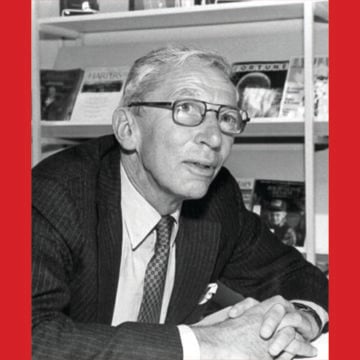
For decades, Edward C. Banfield taught within the Ivy League environment despite being a right-winger who favored empirical investigation over theories and feelings.
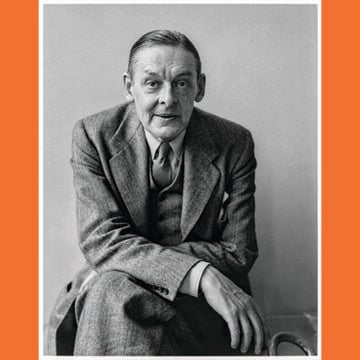
T. S. Eliot was a traditionalist, but he was also an aesthete, one who defended the independence of art and lauded the highly individualistic work of various modern poets. The caricatures never do him justice.
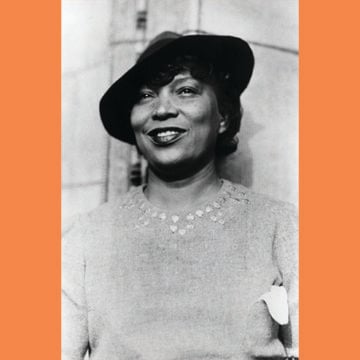
Zora Neale Hurston mocked the professional victims and race hustlers of her day and advocated for a positive, noncombative black identity. She was a woman of the right.
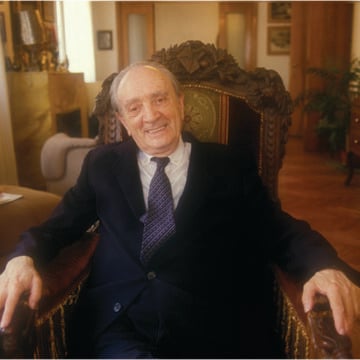
Augusto Del Noce viewed politics and philosophy as inseparably linked and believed that society had to be understood in reference to the history of its thought. He diagnosed Marxism as the deification of history.
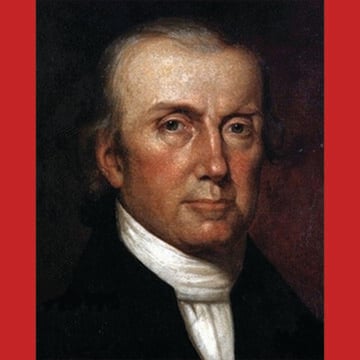
John Taylor of Caroline was a man of the American Revolution in whom the “Spirit of ’76” informed a conservative approach to understanding the powers of government.
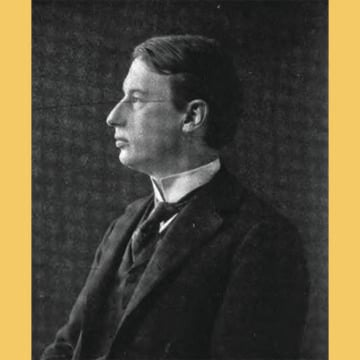
Paul Elmer More was one of several notable independent-minded scholars who criticized America from a broadly traditionalist perspective during the first half of the 20th century.
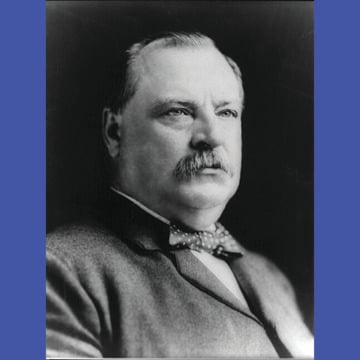
Grover Cleveland, in all of his offices, from the first day to the last, steadfastly followed the principles of Jeffersonian conservatism.
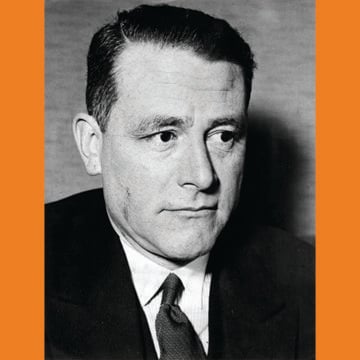
Carl Schmitt boldly addressed the most pressing political questions at a time of deep social and ideological division. His thought continues fascinating young scholars.
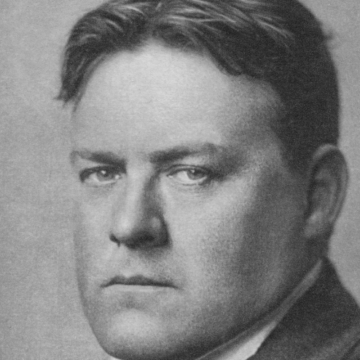
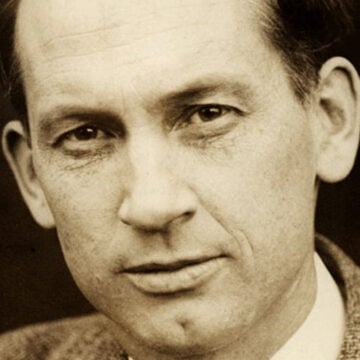
Harold Innis consistently pointed to the recurrent historical pattern in which imperial centers control and exploit those who live on the margins of a political order. Innis warned that this dynamic would not disappear with the rise of mass democracy.
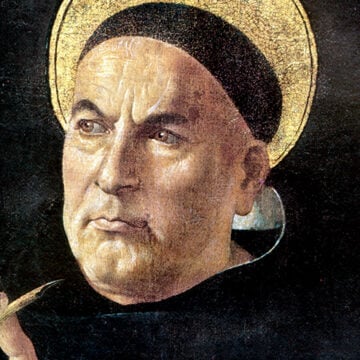
St. Thomas Aquinas is a universally admired philosopher who was able to distill the whole of human discourse. His thought even influenced America's Founding Fathers, as seen in the biblical ordering of the new American nation in the Treaty of Paris.
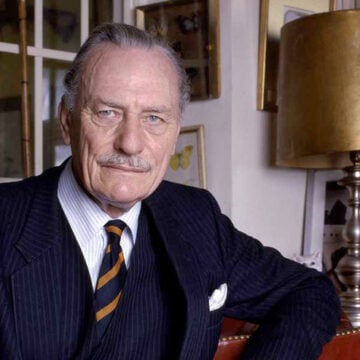
Excoriated as "racist to his bones" for speaking the truth about Britain's emerging immigration crisis, Enoch Powell and his "Rivers of Blood" speech continue to divide to this day.
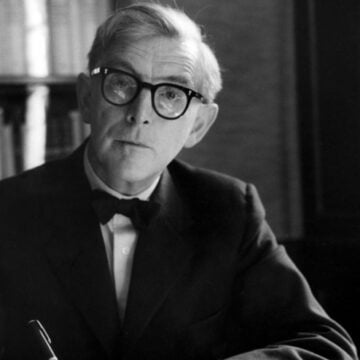
Herbert Butterfield formulated a political theory of limited liberalism around his Augustinian Christianity, which tempered personal liberty with the recognition of man's fallen nature.
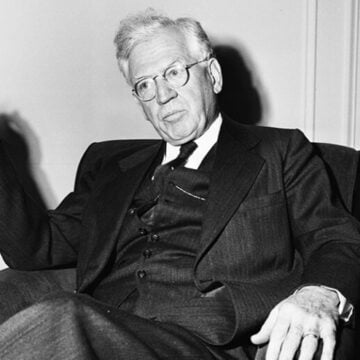
A relentless critic of FDR, John T. Flynn fought tooth and nail against the New Deal, corporatism, foreign interventionism, and the welfare-warfare state.
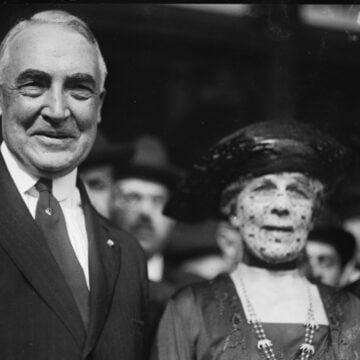
Harding was a consummate conservative governed by humility, kindness, and charity for all: principles that guided him in both his personal life and his political career.
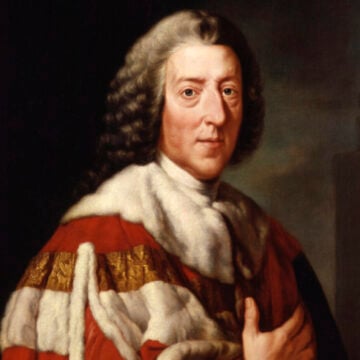
Long after his death, William Pitt is remembered as one of England’s finest statesmen, a man who valued his country's mixed constitution and unique combination of high regard for the rights of man and a stable social order where king, nobles, and commoners all had their place.
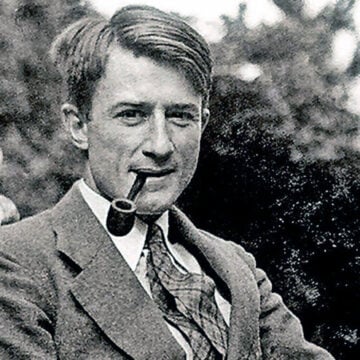
Michael Oakeshott warned that rationalism in politics leads to rigid, rule-bound governance, and to the imposition of the state's enterprise over and against the free association of individuals.
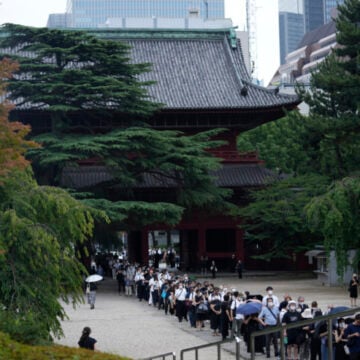
Shinzo Abe was a strong and unifying leader of Japan, restoring a sense of national identity and tradition.
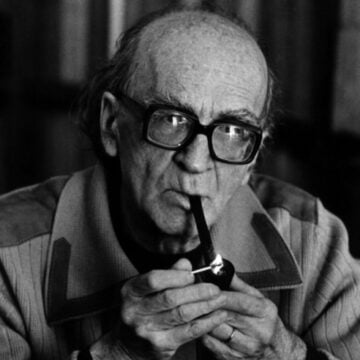
Mircea Eliade wrote that modern secular man is haunted by the realities he has denied, which render the passage of time meaningless. The only defense against the ensuing terror is the sacred act.
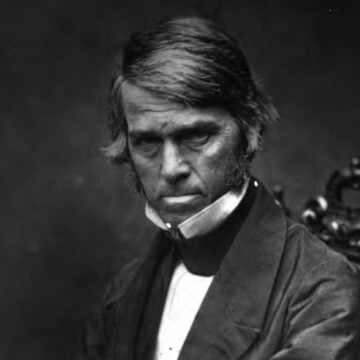
Thomas Carlyle was a bundle of intellectual and literary energy in the Victorian age, but his forceful ideas may have even more relevance to our present-day problems.
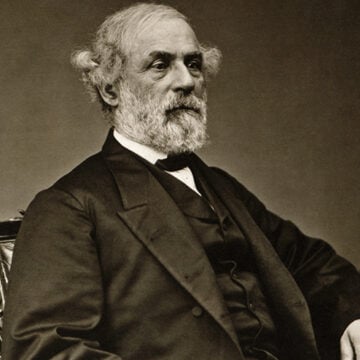
Forbearance is a moral principle from which General Robert E. Lee rarely if ever wavered, and his unflinching practice of that virtue is the primary reason that he should be remembered today.
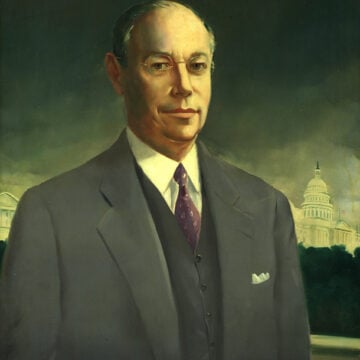
In a dynamic time of U.S. history, Robert A. Taft was a deeply principled politician, courageously speaking out against FDR's New Deal, U.S. involvement in WWII, the Nuremberg Trials, and the formation of NATO.
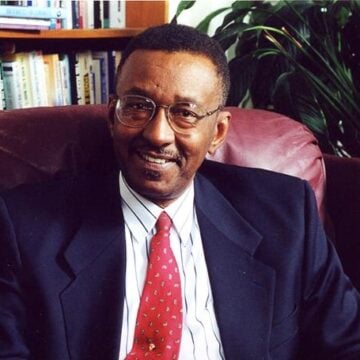
Addressing a Boston anti-slavery audience in 1865, abolitionist Frederick Douglass asked, “What shall we do with the Negro?” The answer he provided was a favorite of the conservative economist Walter E. Williams, though if Douglass were to utter it today he would probably be condemned by Black Lives Matter and deplatformed from social media: ...
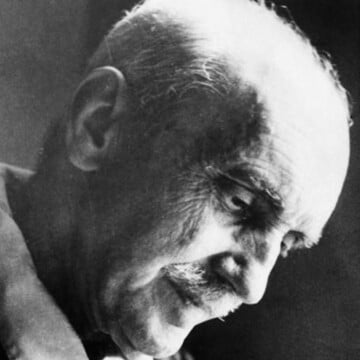
“Those who cannot remember the past are condemned to repeat it.” It would not surprise George Santayana (1863-1952) that his most famous aphorism is all he is remembered for, nor that it has become almost a cliché, nor that the Americans, whom he knew so well, would consider that they had heeded his lesson by...
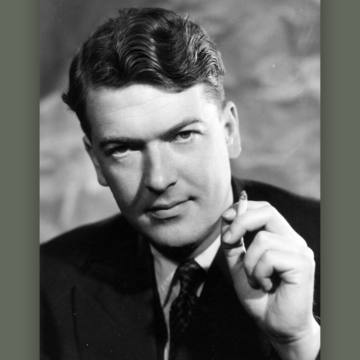
Queen Victoria’s corpse had hardly cooled before modernism in the United Kingdom rebelled against Victorian styles, attitudes, and mores. The ideas of arguably the four most important thinkers of the modern era—Darwin, Nietzsche, Marx, and Freud—were written during Queen Victoria’s lifetime but only gained influence after her death. So too did the literary high...